

The Connection Between Hormones and Dry Eye: What Every Woman Should Know

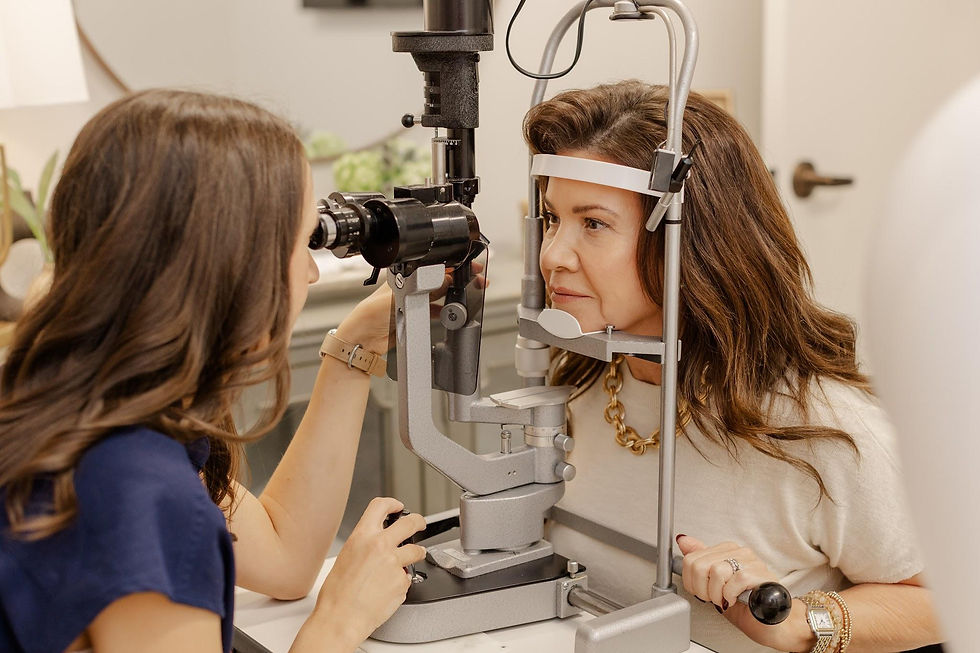
Have you ever noticed changes in your eyes during different stages of your life? Maybe your contact lenses suddenly feel uncomfortable, your eyes seem more irritated than usual, or you're constantly reaching for artificial tears.
What many women don't realize is that their hormones may be playing a role.
At Dry Eye Center of Arkansas, we often see women struggling with symptoms of dry eye disease without realizing that hormonal changes could be contributing to their discomfort.
How Do Hormones Affect Your Eyes?
Hormones influence much more than your reproductive health. They also play an important role in maintaining a healthy tear film and ocular surface.
Your tear film is made up of several important components, including an oily layer that helps prevent tears from evaporating too quickly. This oil is produced by tiny glands along your eyelids called the meibomian glands.
Hormones, particularly androgens and estrogens, can influence tear production, meibomian gland function, and inflammation on the ocular surface.
When hormone levels fluctuate or change, some women may experience increased dryness, irritation, or changes in their vision.
When Can Hormonal Changes Affect Dry Eye?
1. Pregnancy and Postpartum
Pregnancy brings significant hormonal changes, which can affect tear production and the ocular surface. Some women notice increased dryness, contact lens discomfort, or fluctuating vision during pregnancy or after delivery.
2. Perimenopause and Menopause
As women approach menopause, changes in estrogen and androgen levels can affect the tear film and meibomian glands.
Dry eye disease becomes increasingly common with age, and hormonal changes may be one contributing factor.
Symptoms may include:
Burning, stinging, or irritated eyes
Fluctuating or blurry vision
Contact lens intolerance
Watery eyes
A gritty or sandy sensation
Increased sensitivity to light
3. Hormonal Birth Control
Some women notice changes in their dry eye symptoms while using hormonal contraceptives. Research on this relationship is mixed, but hormonal medications may be one factor worth discussing during a comprehensive dry eye evaluation.
4. Thyroid and Other Hormonal Conditions
Certain endocrine conditions, particularly thyroid disease, can also affect the eyes. Thyroid-related eye symptoms may involve tear film changes, eyelid position, inflammation, or increased exposure of the ocular surface.
Not every case of dry eye is caused by hormones, but understanding the bigger picture of your health is an important part of identifying potential contributing factors.
Why Artificial Tears May Not Be Enough
One of the biggest misconceptions about dry eye disease is that it simply means your eyes aren't producing enough tears.
In reality, many patients have evaporative dry eye, often associated with meibomian gland dysfunction (MGD). This means the oily layer of the tear film isn't functioning properly, allowing tears to evaporate too quickly.
Other patients may have reduced tear production, ocular surface inflammation, or a combination of several contributing factors.
That's why repeatedly trying different over-the-counter eye drops doesn't always provide lasting relief.
Treating Dry Eye Starts With Understanding the Cause
At Dry Eye Center of Arkansas, we take a personalized approach to diagnosing and managing dry eye disease.
Depending on your symptoms and examination findings, treatment options may include:
Prescription medications to address inflammation or improve tear film function
In-office treatments such as intense pulsed light (IPL), TearCare, or radiofrequency
Meibomian gland and eyelid therapies
Lifestyle modifications and at-home care
Additional evaluation or collaboration with other healthcare providers when hormonal or systemic health concerns may be contributing
Hormonal changes don't automatically mean you need hormone replacement therapy, and hormone therapy is not an established treatment for dry eye disease itself. Our goal is to understand all the factors contributing to your symptoms and develop a treatment plan specific to your needs.
Women's Health Includes Eye Health
Women's health conversations often focus on hormonal changes, reproductive health, sleep, and overall wellness. But eye health deserves a place in those conversations, too.
We're excited that our very own Dr. Shelby Brogdon was recently featured in Little Rock Soirée's Women's Wellness issue, helping bring awareness to the connection between women's health and dry eye disease.
As an optometrist focused exclusively on dry eye and ocular surface disease, Dr. Brogdon is passionate about helping women understand that persistent eye discomfort isn't something they simply have to live with.
You Don't Have to Ignore Your Symptoms
If you're experiencing persistent dryness, burning, irritation, or fluctuating vision, it's worth looking beyond the eye drops on your bathroom counter.
Whether your symptoms began during pregnancy, around menopause, or seemingly out of nowhere, a comprehensive dry eye evaluation can help identify potential causes and guide your treatment options.
Ready to get answers?
Schedule a dry eye evaluation at Dry Eye Center of Arkansas, where we're focused on dry eye and centered on you.


Comments